
Learning to Lead from the Ground
Reflections from the Bopa DiPeo Fellowship and Early Days of AWFII
By Tendai Angeline Mugabe
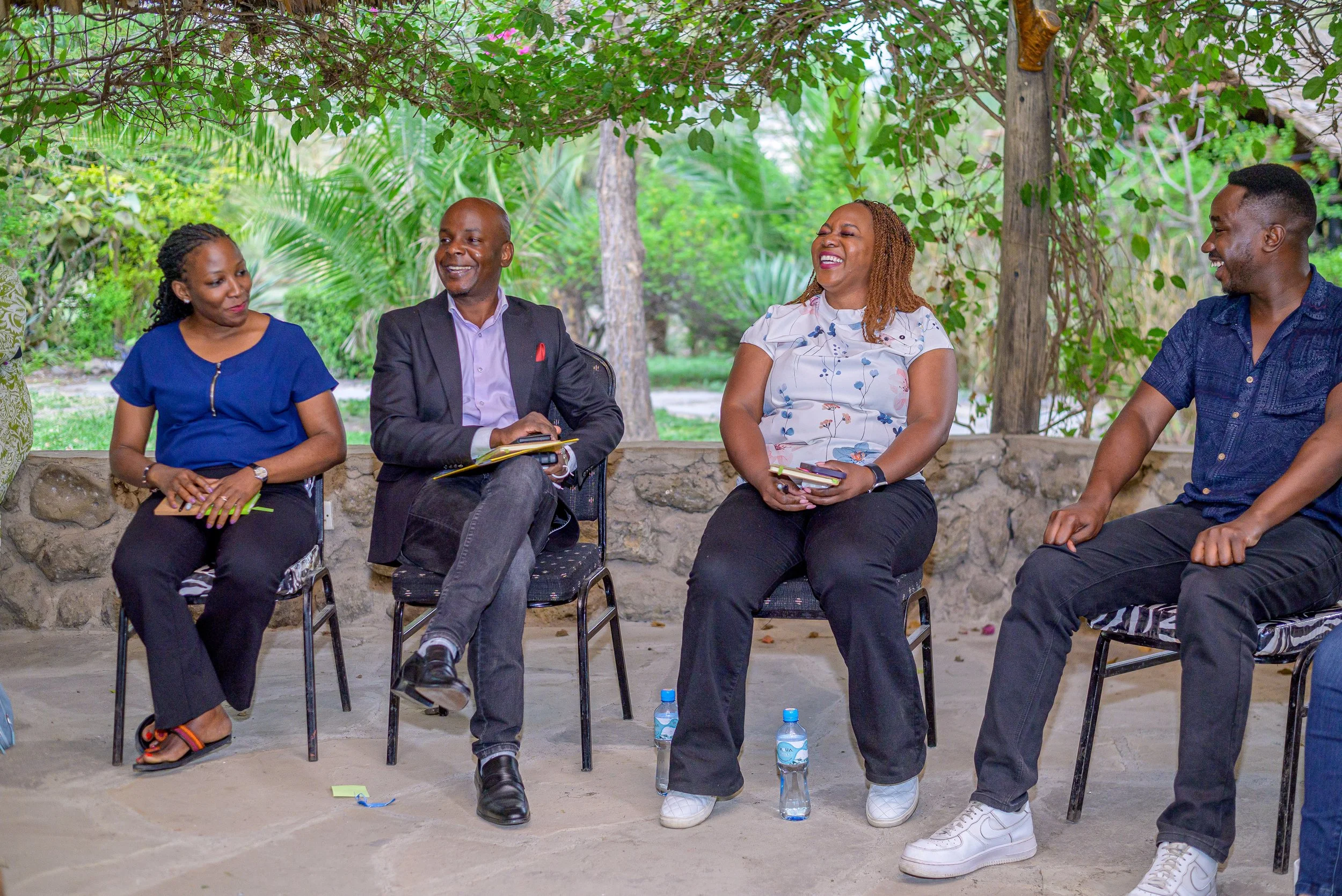
There is a particular vulnerability that comes with beginning something new while still learning how to lead differently. When I joined the Bopa DiPeo Fellowship, I was already carrying years of experience across ecosystems, institutions, and communities. And yet, I found myself at the very start of a new chapter: founding the African Women’s Financial Inclusion Initiative (AWFII) , a network still in its infancy, still forming its rhythms, still learning how to listen before it speaks.
This blog is a reflection on what has been shifting in me through the Fellowship, how those shifts are showing up in practice, and what it means to grow a network without rushing it into premature certainty.
Beginning Again, Without Starting From Scratch
AWFII was born from years of proximity to women navigating informal economies, savings groups, care responsibilities, and financial systems that were not designed with them in mind. Currently, AWFII is a young and growing network rooted in a simple truth: many financial systems across the continent were not designed with women’s lived realities at the centre. AWFII exists to support women, particularly those operating in informal and grassroots economies, to strengthen their financial agency, collective power, and access to dignified economic pathways. We work at the intersection of listening, learning, and systems change recognising that sustainable financial inclusion cannot be imposed, but must be co-created with women themselves.
But while the vision felt clear, the how did not. In the early days, I felt the familiar pull to perform competence, to have answers ready, to demonstrate momentum, to prove legitimacy. This instinct is not unusual, especially when working in funder-shaped environments. But, the Fellowship has invited me to notice that instinct, rather than obey it. One of the most grounding reminders from my second advisor sessions in the Fellowship was this simple reframe: silence does not mean failure.
A Shift from Delivering to Designing Conditions
Before the Fellowship, much of my leadership energy went into delivery: clear agendas, outcomes, and outputs. Those skills still matter, but they are no longer my starting point. Through my sessions with advisors and the workshops within the Fellowship, I am learning to design for conditions rather than control. This has meant shifting my attention away from tightly managing processes and toward cultivating the relational and emotional conditions that allow people to participate fully. Conditions where women feel safe enough to speak honestly, where participants can shape direction rather than simply respond to it, and where energy not urgency guides pacing.
This shift has been most visible in the co-creation and listening labs I have begun facilitating as part of AWFII’s early work. In these spaces, the intention is not to arrive with solutions, but to listen first, without pre-baked frameworks or predetermined answers. At the beginning of each lab, I now name this explicitly: that the space is not about performance or correctness, but about learning together. I clarify that silence is welcome, that disagreement is allowed, and that stories do not need to be polished to be valuable.
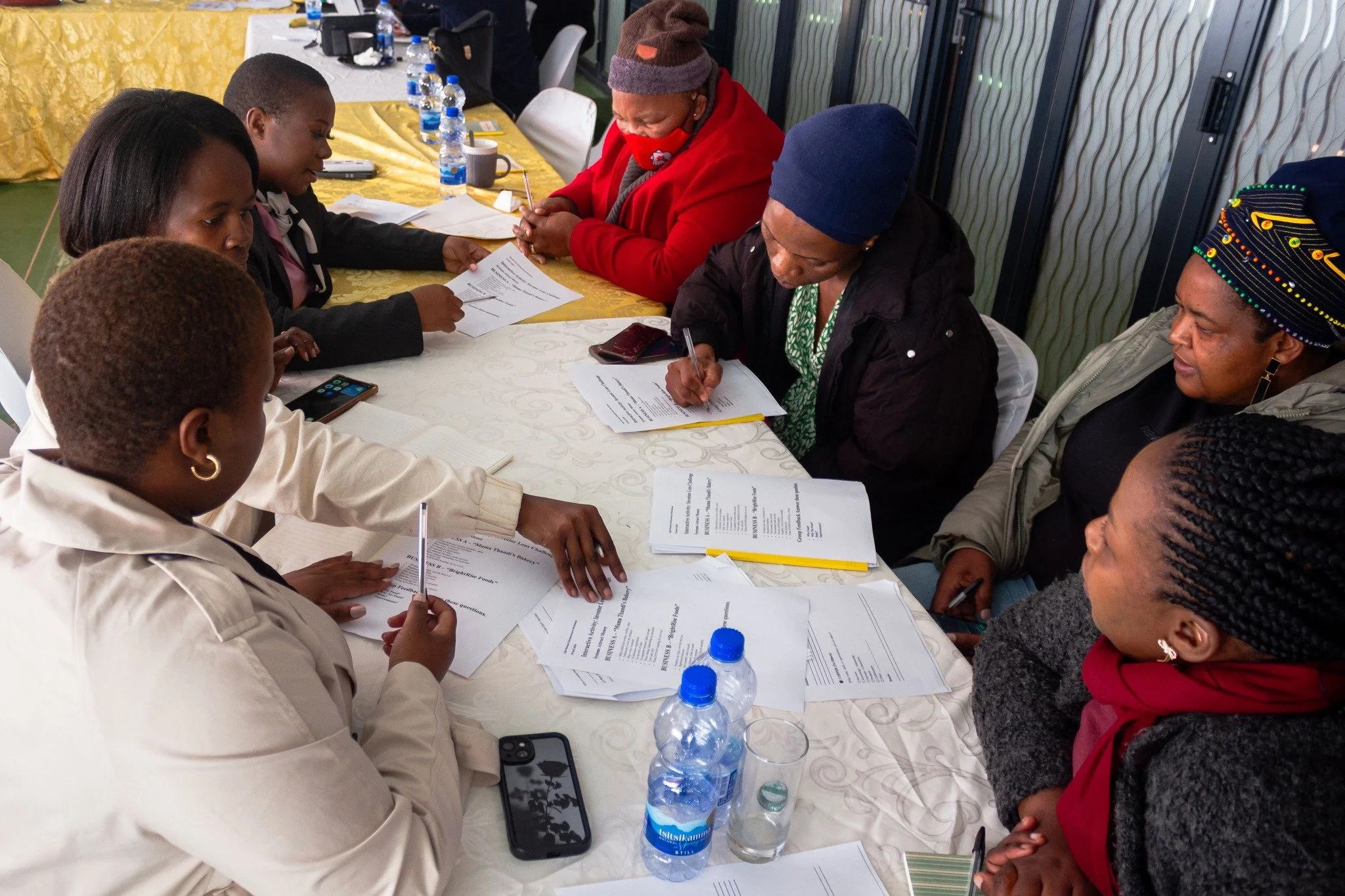
As these conditions are established, something important happens. Women begin to speak not only about what is working, but about what is hard. Conversations move beyond surface-level descriptions of savings practices to deeper reflections on difficult money decisions: savings that were withdrawn to meet urgent family needs, business income reinvested at the wrong time, informal loans taken under pressure, or group savings collapsing due to unmet expectations and lack of trust.
“Without trust, there is no honesty. Without honesty, there is no learning. Without learning, any intervention no matter how well designed risks missing what truly matters.”
In one lab, women openly shared how fear of judgment had previously kept them from naming financial mistakes. In another, participants reflected on how certain savings methods, while framed as empowering, had also created stress, conflict, or exclusion within their groups. These were not easy conversations, and they did not emerge quickly. They emerged because the space was held with care.
Rather than rushing to fix or advise, I practiced staying present, allowing stories to unfold, reflecting back what I was hearing, and inviting others to respond from their own experience. Over time, the group began to recognise patterns together: how pressure, silence, and shame often shaped financial decisions as much as access or knowledge.
What struck me most was not just the content of these conversations, but the shift in agency. Women were not asking for answers, they were making meaning together. They were naming what had not worked, without being diminished by it. The lab became less about extracting insights and more about collective sense-making. This experience has reinforced for me that designing for conditions is not a soft or secondary skill. It is foundational. Without trust, there is no honesty. Without honesty, there is no learning. Without learning, any intervention no matter how well designed risks missing what truly matters.
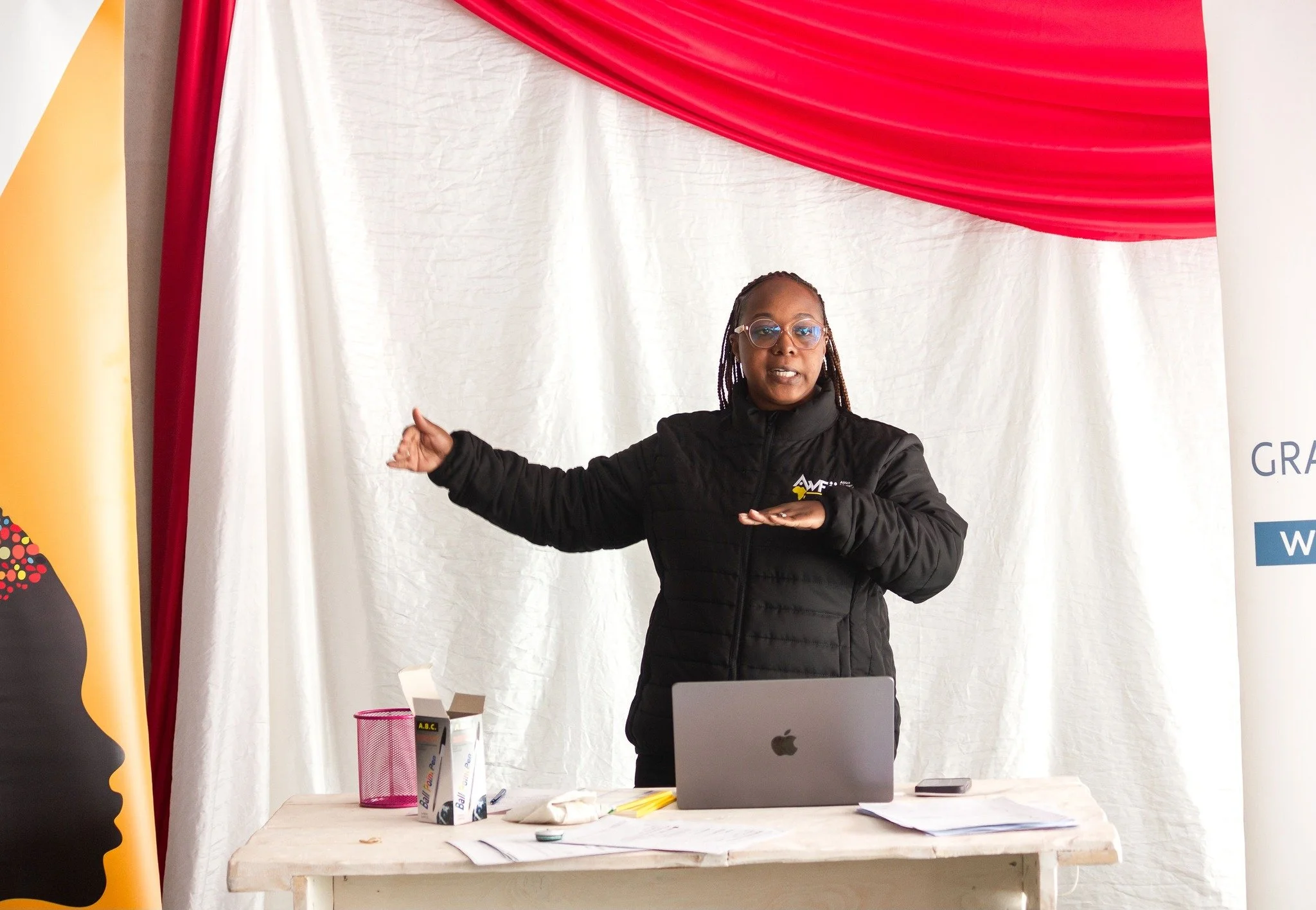
The Fellowship has helped me see that leadership in these spaces is less about directing the conversation and more about protecting the integrity of the container. When the conditions are right, the work does not need to be forced, it emerges.
The Role of Peer Learning
Peer learning sessions within the Fellowship have reminded me that leadership does not need to be lonely. Learning how networks like FITO operate has expanded my sense of what is possible. Growing AWFII gently and with intention has become increasingly important to me, especially because the organisation is still young and in its formative stages. What the Fellowship has offered me is not a blueprint, but a different posture that is slower, more relational, and grounded in trust.
How we lead is inseparable from what we build. As AWFII continues to take shape, I am committed to carrying these learnings to the ground, not as theory, but as daily practice.
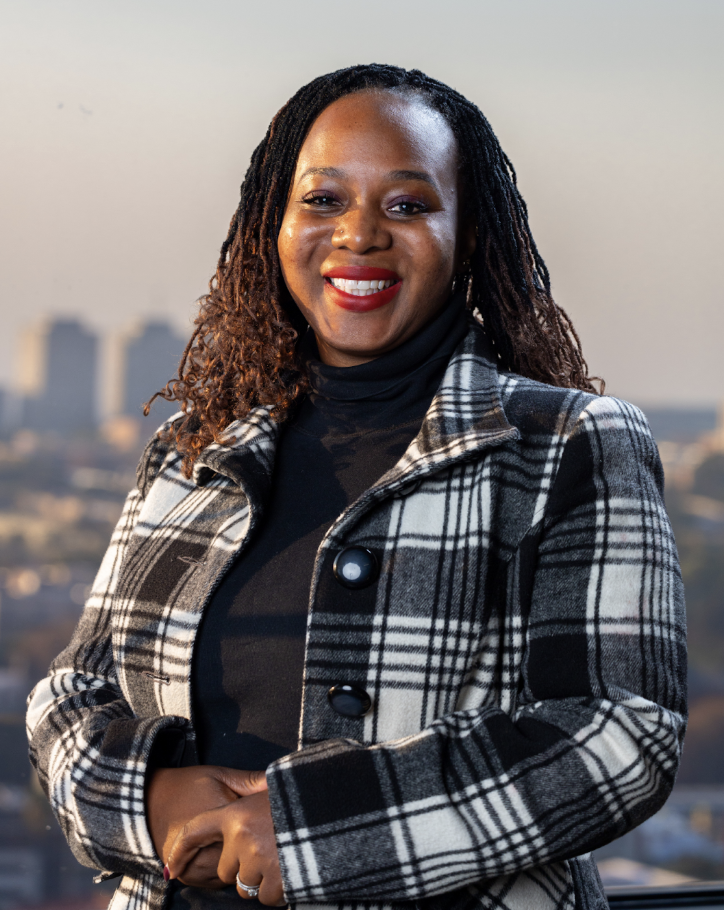
Tendai Angelina Mugabe is the Director of Programs & Impact at the Africa Women Financial Inclusion Initiative (AWFII), where she focuses on network leadership, ecosystem building, and advancing women’s financial inclusion across the continent. For more than 15 years, Tendai has worked at the intersection of program management, advocacy, and partnership building, leading initiatives that strengthen entrepreneurial ecosystems and create pathways for inclusive growth. At AWFII, she is driven by the conviction that when women have equitable access to finance, resources, and networks, entire communities flourish. She is passionate about cultivating trust-based networks that empower women and entrepreneurs to become agents of systemic change. Her long-term vision is to see thriving ecosystems where gender equality, climate resilience, and economic justice are not aspirational but embedded realities across Africa.