
INSIGHT 5 OF 6 • PATHWAY: FIELD BUILDING
Social learning moves from the inside out
How growth happens: a network approach to learning
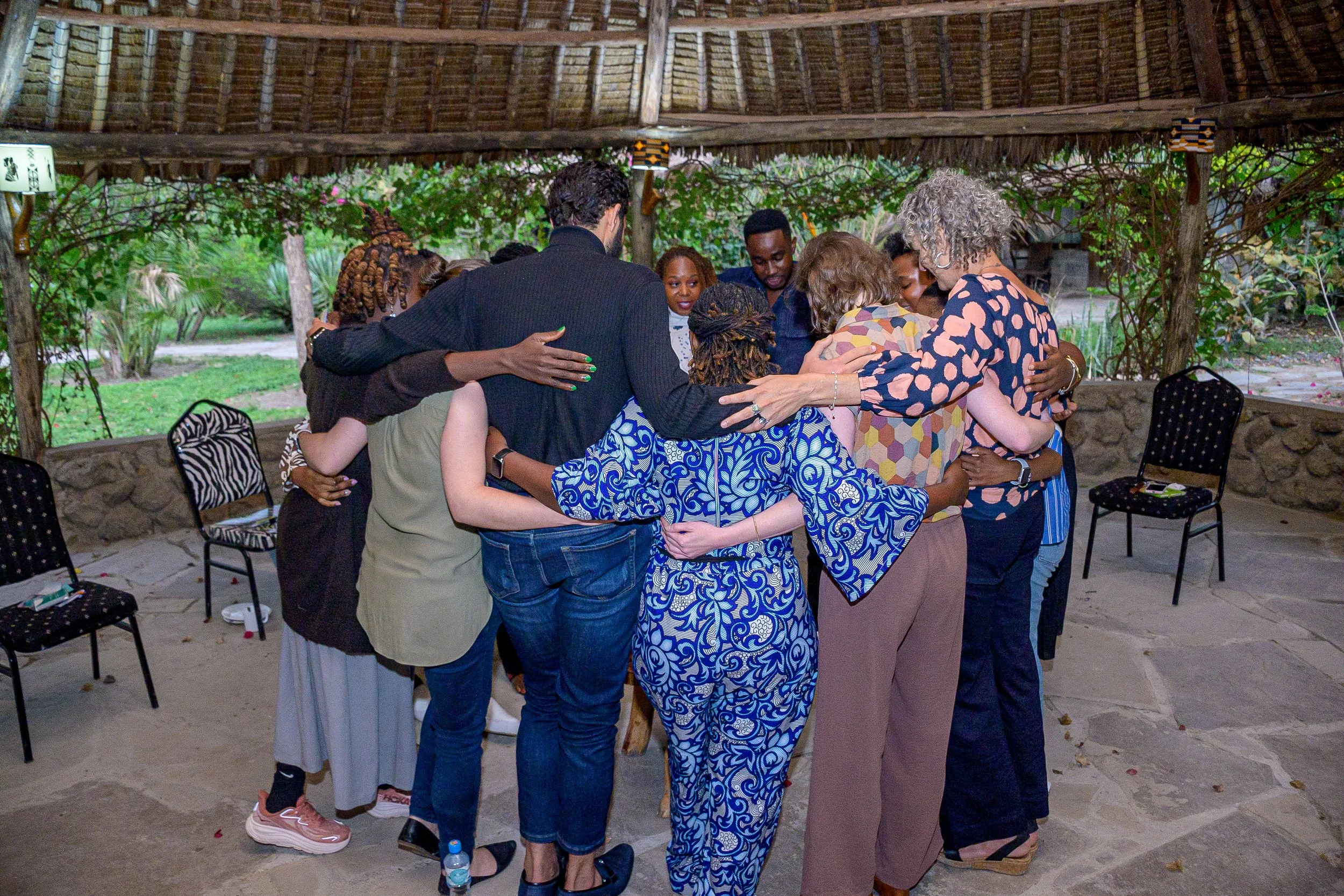
Bopa DiPeo’s learning journey aligns with research on quality apprenticeships and the importance of praxis. The architecture of engagement over the 10-month program offers continuous opportunities to apply learning in practice, reflect with peers, and resource with advisors.
Results show that this cyclical process of experiential learning, with skills embodied and applied in practice, is effective in all four impact pathways of our theory of change: individual, peer, organizational, and field building. Intentionally designed social learning within a network of support enables leadership development to move from the inside out: from inner transformation to local application to scaling out practice.
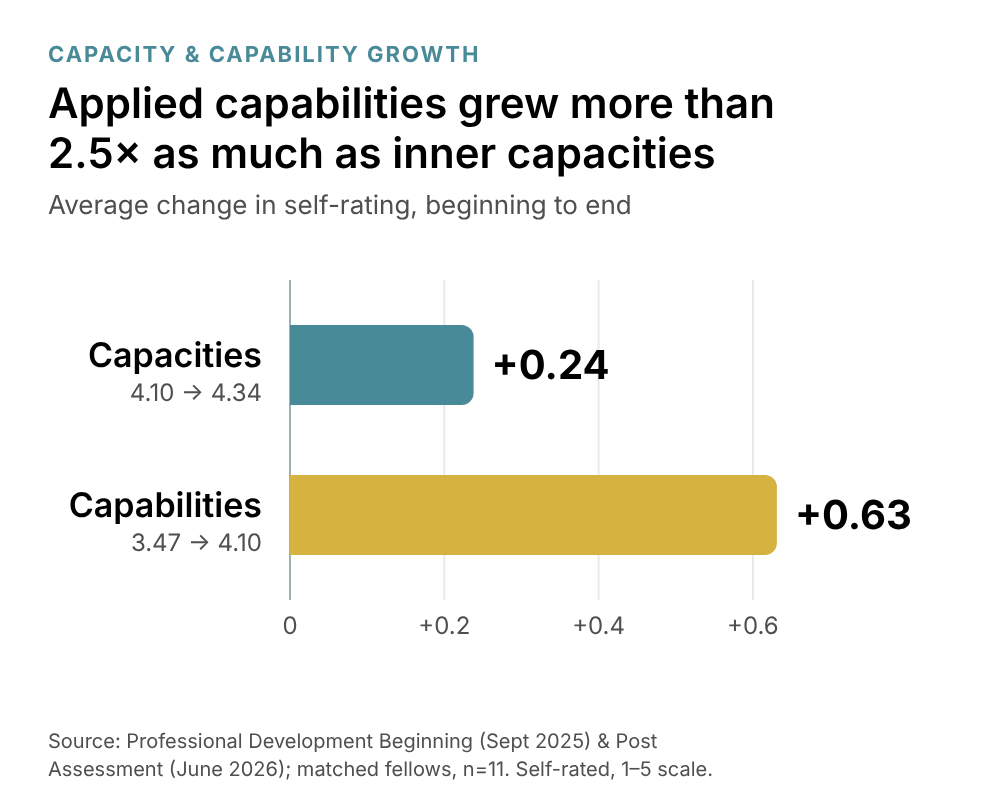
2.5x
growth in applied capabilities compared with inner capacities
Zero
fellows rated it less valuable than other professional development programs
79-98%
participation across the five core program elements
EVIDENCE & FINDINGS
What changed
Every fellow expressed solid agreement with the fellowship’s central hypothesis: that inner capacity development is a precondition for, not a side effect of, external collaborative leadership skill. Experientially, this is corroborated by three structurally independent data sources as a genuinely lived realization.
The qualitative evidence for all four pathways of the theory of change is coherent with the quantitative data: fellows describe the same inward-then-outward arc (learning → applying → sharing → building) that the survey data traces numerically. Nearly every fellow’s comments point to inner and applied growth, and the professional development data shows that small gains in capacities led to 2.5× the growth in applied capabilities.
On all five dimensions assessed, the majority of fellows rated the fellowship more valuable than other professional development programs they’ve attended, with zero responses of less valuable. The clearest comparative advantages are in-person support and applicability to life and work. Participation reflects this value, ranging from 79% to 98% across the five core program elements: in-person convenings, guide sessions, advising, monthly workshops, and peer groups.

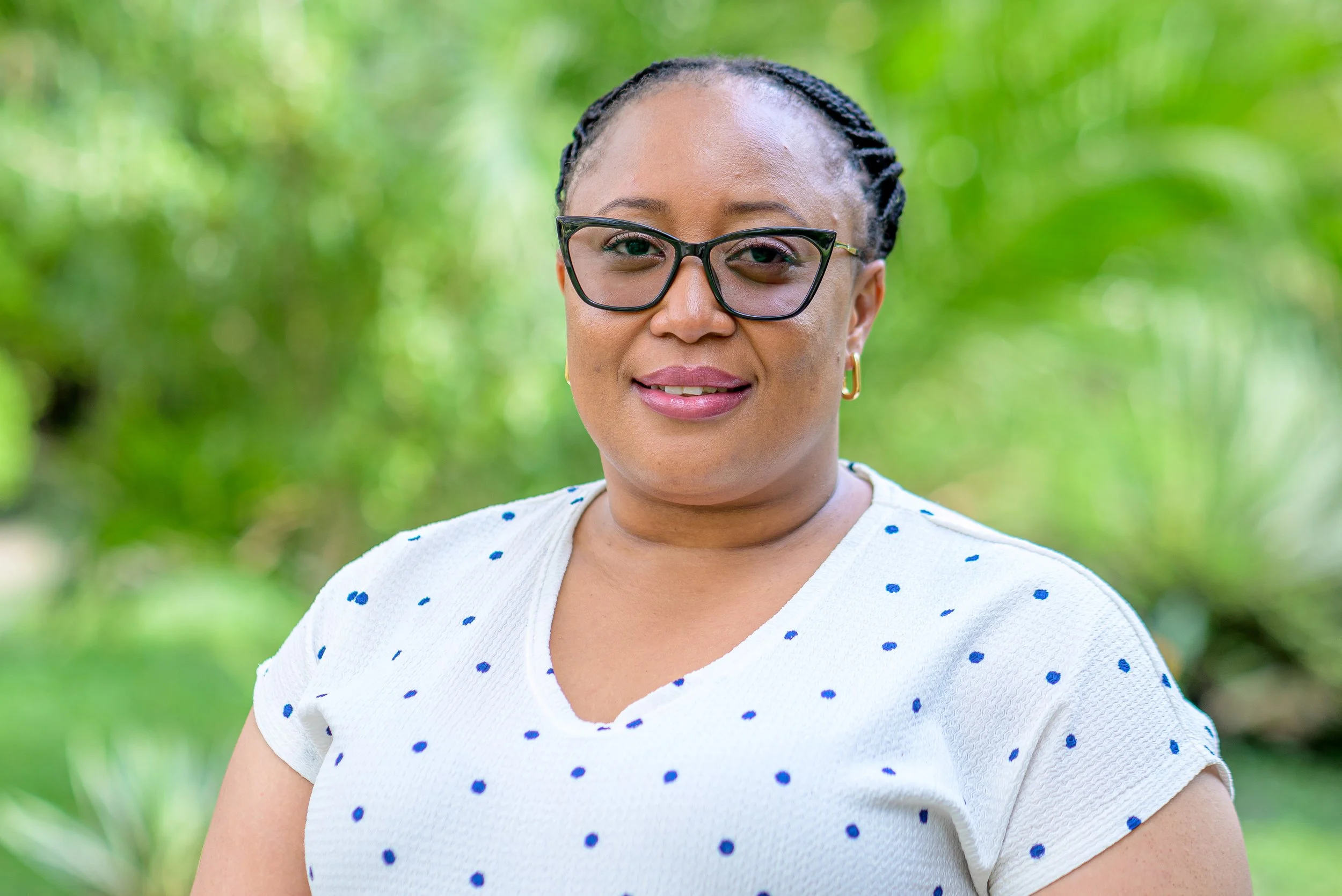
“I’ve gained clarity on my strengths and weaknesses and how they complement my co-leaders. This helped me recognize where I step in, where I step out, and how to leverage my skills to support the network’s health more intentionally.”
—Beverly Ndege, 2025-26 FELLOWREASONING
How it happened
We believe three significant factors created the conditions for change.
First, we were very strategic in leveraging inner motivation. We matched fellows’ engagement roles with their professional development priorities to provide practice opportunities in their areas of greatest interest.
Second, we used the network practice of discovery to inform session design. By asking fellows what they wanted to learn, we modeled aligning with participant interest to ensure relevance and co-create meaningful content.
Third, the design of each workshop wove network theory together with a specific capacity and capability, connecting what, why, and how. We also sequenced the 10-month learning arc to reflect a natural cycle of network cultivation. This allowed us to realistically traverse the terrain of network practice over time, within a rhythm of learning that incorporated multiple perspectives in multiple formats while anchoring the process with personal touchpoints and learning loops.
MEANING FOR THE FUTURE
Why it lasts, and what it makes possible
To cultivate leaders adept at facilitating groups to navigate complexity together, we need learning environments that match the leadership context and learning methods that effectively foster the capacities and capabilities to lead relationally. In Bopa DiPeo we see confirmation of research: complexity leadership is best developed in apprenticeship programs that develop relational skills and weave them across scales, from self to interpersonal to collective.
For networks in particular, it’s not only about leading in complexity while being systemically aware. Developing collective change agency within the network itself includes cultivating connection, enabling coordination, facilitating learning, and supporting distributed action. It’s in the approach, in the how, that network leadership excels in practice.
When we realize that collaboration requires trust and relationality, we understand that we cannot make progress without flipping the script from pursuing self-interest to stewarding a culture of care. Navigating complexity and coordinating at scale requires that we organize on the basis of interconnection. This is where Bopa DiPeo’s underlying orientation is distinctly rooted in African values. Ubuntu, the Zulu belief shared by many African cultures, is often articulated as I am because we are. Ubuntu honors a universal bond of sharing that connects all of humanity. Network leaders attuned to Ubuntu as a living process, and modeling it as a way of being, are able to unlock the deepest layers of potential among people.
In their own words…
-
![]()
“The fellowship has shown me a developmental sequence to these capacities. In my experience, tending to self creates the foundation for tending to relationships, and relational awareness then opens the door to sensing and influencing systems.”
—Ledama Masidza, Co-Founder, Local and Indigenous Food Systems Transformation (LIFT) Network
-
![]()
“The emphasis on reflection and sense-making helps me connect the content directly to my work, instead of consuming information in isolation.”
—Hellen Nakyeyune, Senior Programme Associate, Capital Solutions Limited
-
![]()
“The consent decision making is something I now consciously use with my team at REEL Foundation, and I have discovered that the working relationship and productivity has been better.”
—Ajoke Adeola, Founder, REEL Foundation
-
![]()
“The space for reflection and processing within the fellowship was especially meaningful, particularly in contrast to environments focused only on constant action and productivity.”
—Nate Harding, Head of Global Engagement, Government Council for Social Innovation
-
![]()
“I came in with a very clear sense of curiosity for systemic shifts, and I’ve left with frameworks, tools, and a community of practice that enable me to think that way.”
—Grace Wachori, Africa Regional Director, ANDE (Aspen Network of Development Entrepreneurs)


SIX INSIGHTS FROM YEAR ONE