
By Carri Munn, Circle Generation
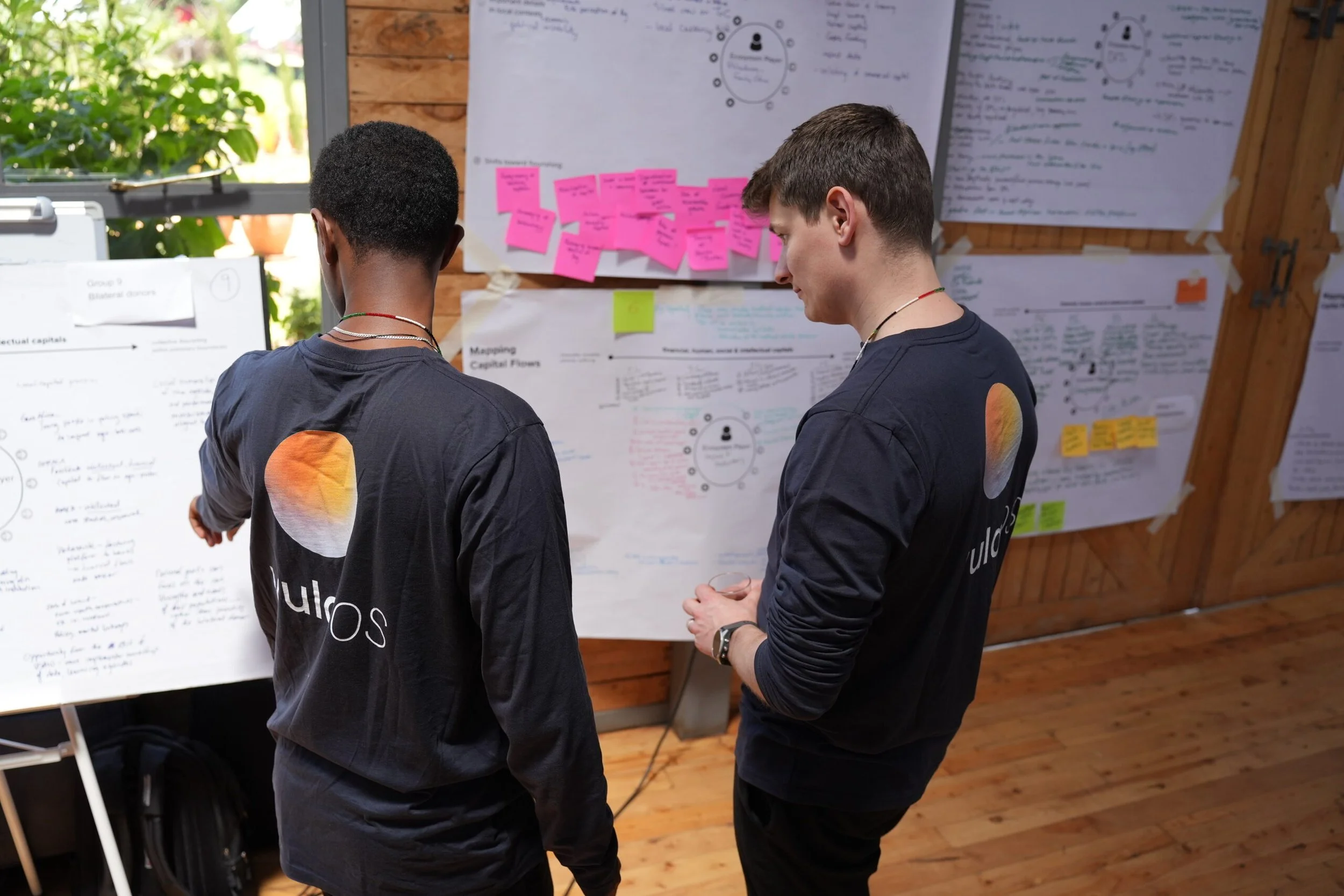
After connecting people and building trust, how does collaboration actually begin?
Our experience is that coordinated action emerges when several core conditions are present. Together, they enable participants to co-create and act in service of a shared purpose.
The elements below describe a critical stage of network evolution: the transition from connection to action. Once participants understand who is here and why they belong, the natural next question is: What are we going to do together, and how?
These elements function both as steps in a sequence, and as interconnected, non-linear conditions of a healthy impact network.
→ Clear focus grounded in purpose and conveyed through framing
Purpose provides the shared reason for being and anchors collective effort. To maintain alignment, the “why” must be consistently linked to framing conversations about the “what” and the “how.” Clear framing helps participants understand how their contributions connect to larger network priorities.
→ Tangible processes that translate energy into results
Even if specific results are unknown, participants are hungry to translate inspiration into collective action. They need a shared understanding of pathways to impact to assess whether they are playing a winnable game — and how much time, energy, and resources they will invest.
→ Specific participation opportunities and expectations
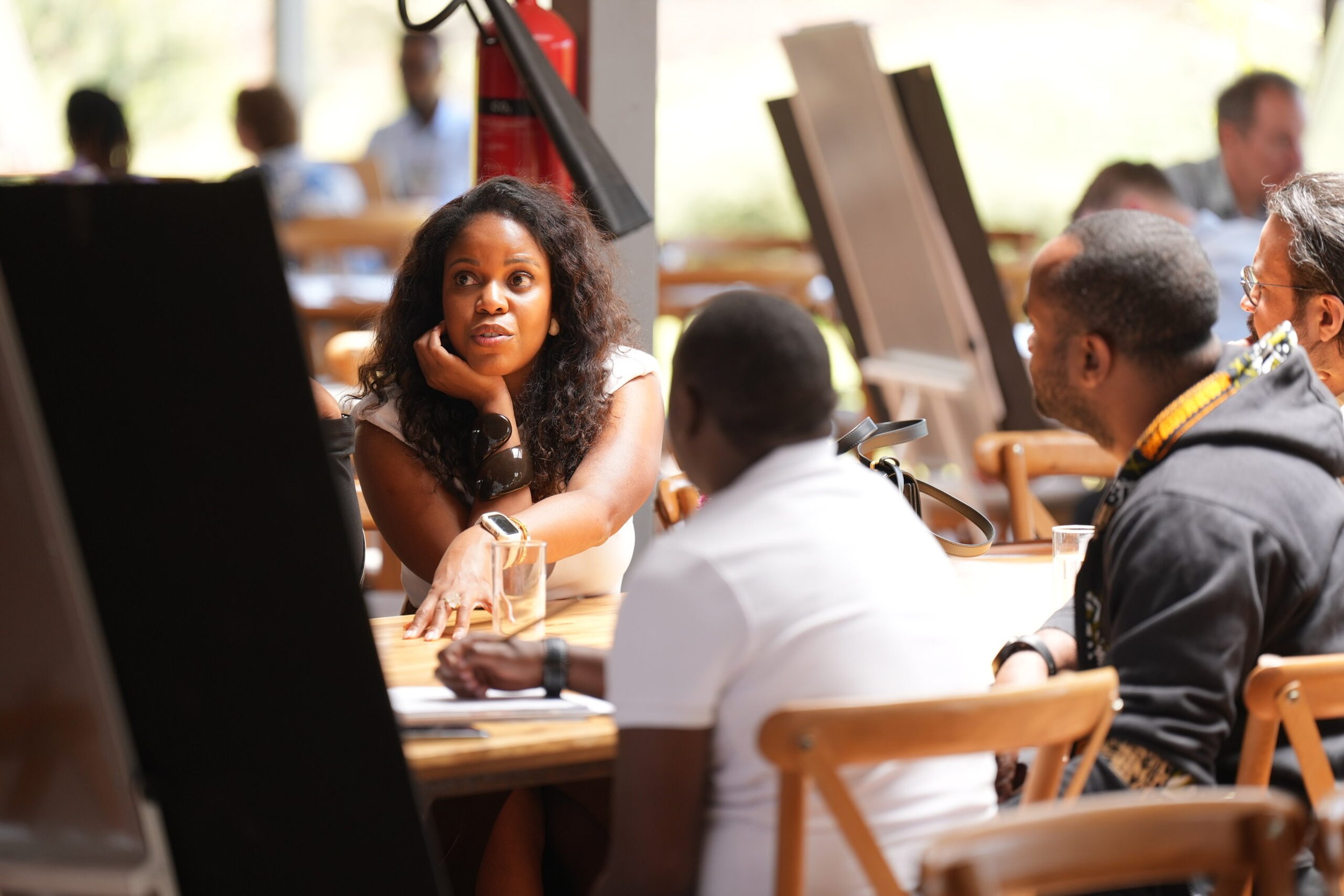
People need clarity about where and how they can plug in. Transparent expectations around commitment, roles, and available support reduce friction and make participation more accessible.
→ Relevant and compelling issues to engage together
Collective action requires a shared understanding of the broader context. Participants need opportunities to explore the situation, integrate diverse perspectives, and deepen their awareness of the complexity they are trying to influence. Staying attuned to member interest and energy helps maintain momentum.
→ Time for perspective sharing and skillful facilitation of sensemaking
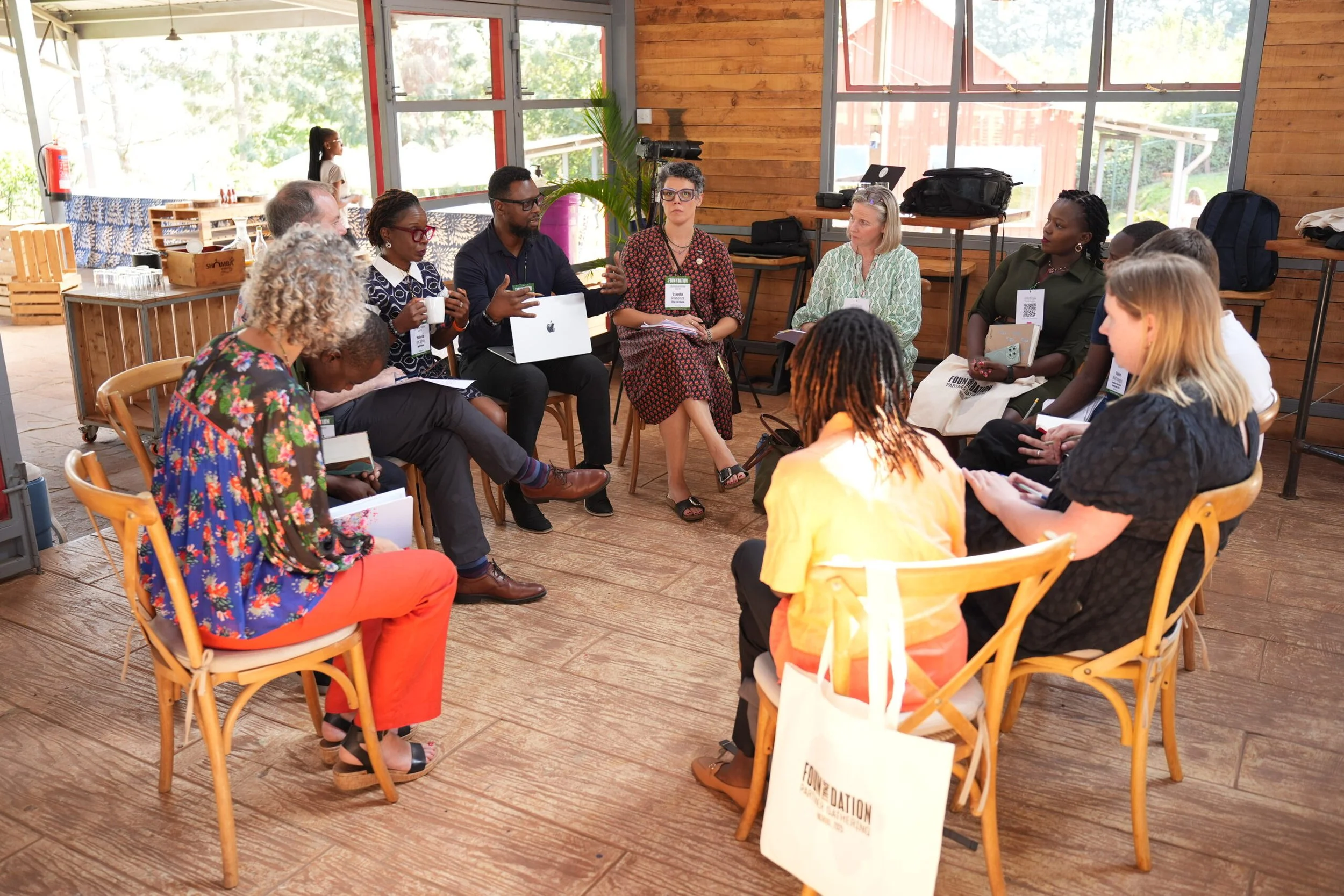
To make meaningful progress there needs to be sufficient time for people to learn and co-create. Facilitation centered in possibility is essential to moving beyond brainstorming to centering common priorities and prototyping interventions.
→ Coordination support that captures contributions and commitments
Alignment depends on visible reference points. Convening notes, synthesis, and follow-through support are essential for participants to track progress, see their contributions reflected, and build together over time — even as individuals move in and out of engagement.
→ Accessible documents and communication channels
Information is the oxygen of a network. Effective collaboration requires platforms for knowledge sharing and communication that are open enough to enable peer-to-peer and peer-to-group exchange while providing enough structure to maintain coherence.
Turning Collective Energy into Impact
Networks are made up of people with full lives — families, organizations, and responsibilities that pull their attention in many directions. They move in and out of engagement, contributing when they can. Yet they show up because networks make possible what no individual or organization can accomplish alone.
This is why stewardship matters. Network stewards weave relationships, invite contributions, and combine those contributions in ways that advance shared priorities. They tend the processes that convert collective energy into meaningful action and maintain the communication loops that connect collaborative efforts back to purpose. When participants can see how their contributions lead to progress, momentum builds. Energy becomes impact, impact inspires further participation, and a reinforcing cycle of coordinated action emerges.
We’d love to support momentum in your network. Have a challenge you’d like to workshop? Let’s talk about moving to action.