
Measuring the Unmeasurable: The Hidden Ways Networks Create Value Beyond Numbers
By Ledama Masidza
I keep having the same meeting.
The camera angled just right. Lighting slightly flattering. My face in a small square beside a potential donor’s face. I begin the way I always do — by listening carefully, then sharing what I’ve seen.
I tell the story of the LIFT Network. Two years of weaving together Indigenous communities and food system innovators across continents. Late-night coordination calls across time zones. The quiet alchemy of trust forming between people who once worked in isolation.
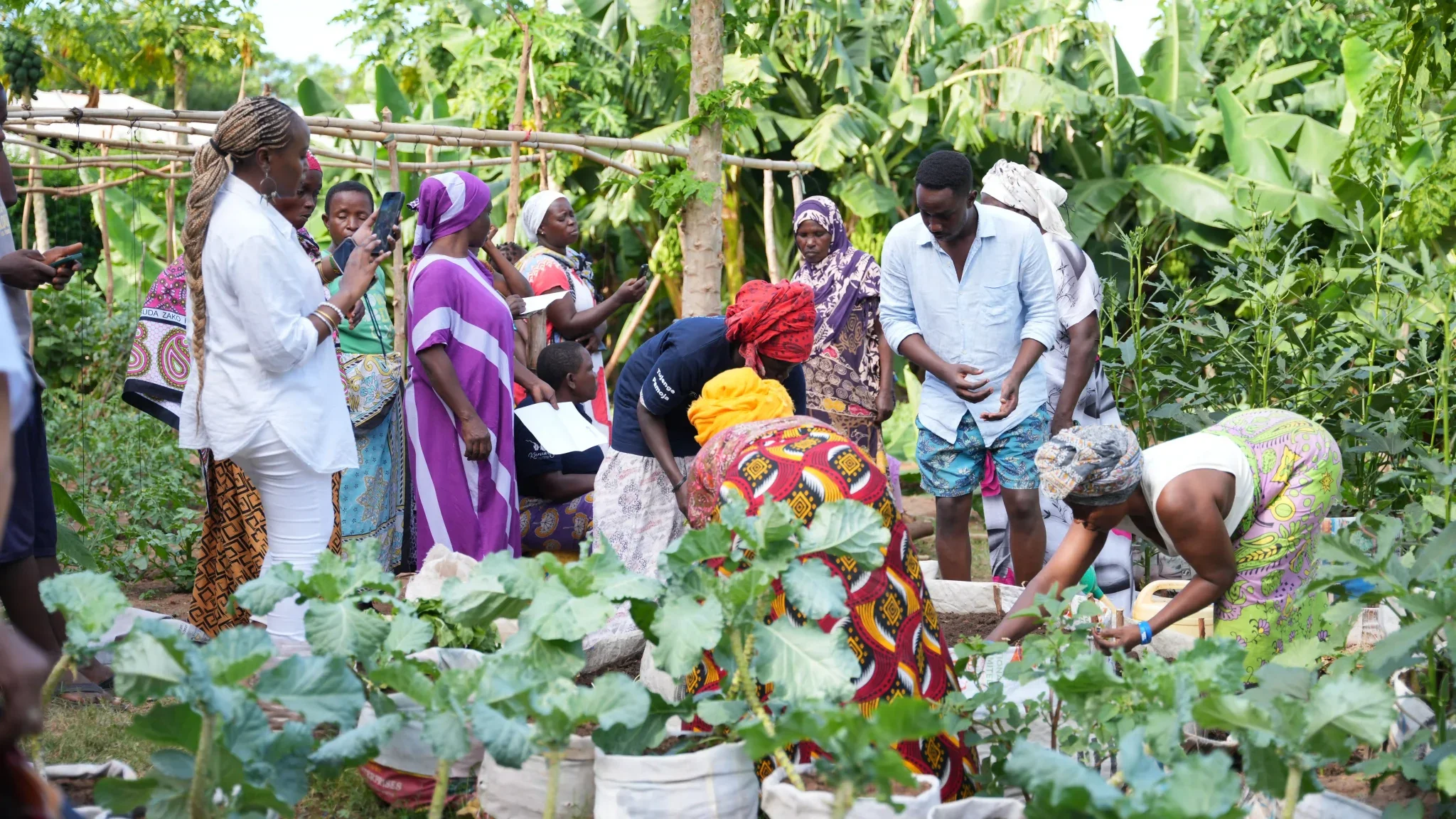
I describe the moment when a leader in one corner of the world hears an idea from someone thousands of miles away — and something shifts. The horizon widens. What felt impossible begins to feel negotiable.
It feels alive. Expansive. Human.
Then the questions arrive.
How many workshops did you hold?
How many participants?
What are the numbers?
The air changes. The story contracts.
The question is not unreasonable. It is responsible. But, it exposes a tension I live with daily: we are speaking two dialects of impact.
One dialect measures outputs.
The other feels transformational.
Over three years, the LIFT Network grew in depth and coordination. Leaders who once worked alone now move in rhythm. Collaborations emerged. Shared risk replaced isolation. When one person encountered a barrier, another stepped in.
But in funding conversations, we are asked to translate this living ecosystem into numbers.
It’s like trying to measure a forest by counting birdhouses — while ignoring the underground mycelium that allows trees to survive drought, fire, and storm.

The challenge isn’t only financial, it’s conceptual.
Funding systems demand clarity, comparability, and auditability. Numbers travel well. They move through reports, boards, and balance sheets.
Networks do not.
They grow horizontally.
They accumulate strength in the spaces between people.
Their impact begins in subtle shifts:
Who calls who in a crisis?
Who shares risk?
Who trusts enough to collaborate across differences?
These shifts compound quietly — and when they do, they reshape what becomes possible.
Transformation rarely begins with a single heroic intervention. It emerges when relationships redistribute power. When coordination replaces isolation. When shared purpose turns scattered effort into collective force.
Networks rarely confront systems head-on.
They reshape the terrain beneath them.
And, if we overlook network value, we overlook the architecture that has repeatedly enabled large-scale change.
The Architecture of Collective Action
We saw this in Kenya during the youth-led protests of 2024-2025.
The demonstrations were sparked by a growing frustration among the youth of Kenya over economic hardship, rising taxation, and a sense that political decisions were being made far from the realities people were living. For many young people, the moment represented more than disagreement over policy. It was a deeper question about voice, dignity, and the future they were inheriting.
What followed surprised many observers.
The movement did not revolve around a single leader or organization. There were no central figures giving instructions, no headquarters coordinating strategy.
And yet, it was remarkably coordinated.

Information moved rapidly through digital networks. Messages, meeting points, and safety alerts circulated in real time. When one group mobilized, others amplified. When misinformation surfaced, it was challenged collectively. When pressure mounted in one place, support appeared in another.
What looked from the outside like spontaneity was, in reality, relational coordination. The power of the movement did not sit in a single person. It lived in the network.
This distributed structure had an unexpected consequence: it made the movement difficult to contain. Without a single leader to silence, momentum flowed through relationships instead of hierarchy.
The network did not remove risk. It redistributed it. And in doing so, it demonstrated something fundamental: sustained collective action does not require a single heroic center. It requires relational infrastructure — shared trust, shared purpose, shared coordination.
Whether one agreed with every tactic or not, the structural lesson was unmistakable. The strength of the movement did not come from hierarchy. It came from connection.
We often underestimate networks because they don’t look like traditional forms of power. But in moments like these, we see that they are precisely what allows collective action to endure.
The Choreography of Trust: My AFF Experience
I felt a version of this when I became a Fellow in the African Food Fellowship in 2022.
We spoke often about shifting Power, Policies, Investments, and Incentives. The scale of change felt immense. Reforming entrenched food systems is not small work. What made it possible wasn’t brilliance. It was a relationship.
Each gathering revealed new layers. I learned who worked in policy, who had research depth, who connected to farmer groups, and who was experimenting with school feeding programs. More importantly, I learned why they cared.
Conversations evolved. From introductions to shared dilemmas. From presentations to collaborative problem-solving. From polite updates to honest vulnerability.
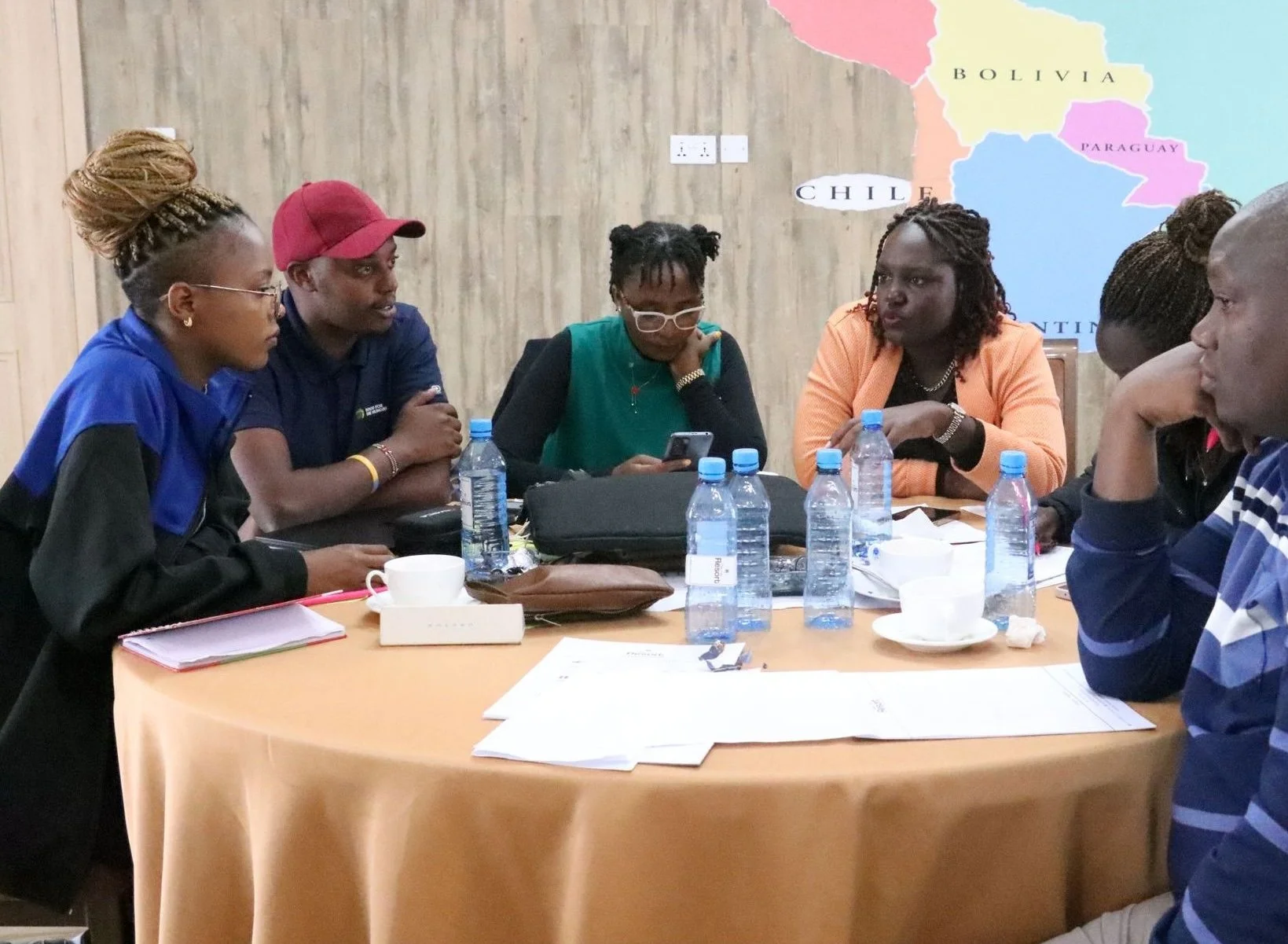
Over time, the Fellowship became more than a cohort. It became an ecosystem. If I needed insight into policy, I called a Fellow. If someone needed private sector advice, they reached out to another. Friction quietly decreased and access widened.
Out of this trust emerged collaborative initiatives: school feeding programs stabilizing demand for local farmers while improving child nutrition and aquaculture platforms increasing visibility for women and youth whose labor had long been invisible.
The network did not eliminate uncertainty. It shared it.
And that’s when it clicked. We hadn’t simply built a professional network. We had built infrastructure. Relational infrastructure.
Systemic transformation rarely happens because one person moves a mountain. It happens because enough people trust one another to lift together.
Expanding What Counts
I searched for language to describe this invisible architecture. Traditional metrics — events held, participants reached, funds disbursed — are useful, but they rarely capture what makes networks matter.
During a session in the Bopa DiPeo Fellowship, I encountered a framework that resonated deeply: Social Value.
Social Value asks different questions:
Who experiences change?
How do they experience it?
What shifts in agency, wellbeing, or possibility occur because connection exists?
For networks, this lens makes visible what often remains hidden:
Not just how many connections exist, but how deeply people engage.
Whether knowledge and resources actually move across boundaries.
Whether resilience increases when funding fluctuates or crisis hits.
Whether historically marginalized voices gain influence, not just presence.
Networks are not soft infrastructure. They are social infrastructure.
For nonprofits, they root impact in lived experience.
For businesses, they surface sustainable opportunities.
For governments, they strengthen coordination.
For social entrepreneurs, they bridge ambition and durability.
The goal is not to abandon numbers. It is to expand what counts.
Raising a Movement
Over time, I’ve come to see that network value lives in relational depth, adaptive capacity, and the invisible threads connecting members. People enter networks for different reasons: to strengthen livelihoods, grow professionally, influence policy, find belonging. A strong network allows individuals to pursue personal goals while contributing to shared purpose.
You learn from someone else’s mistake before repeating it.
You gain access to rooms you couldn’t enter alone.
You take risks because someone has your back.
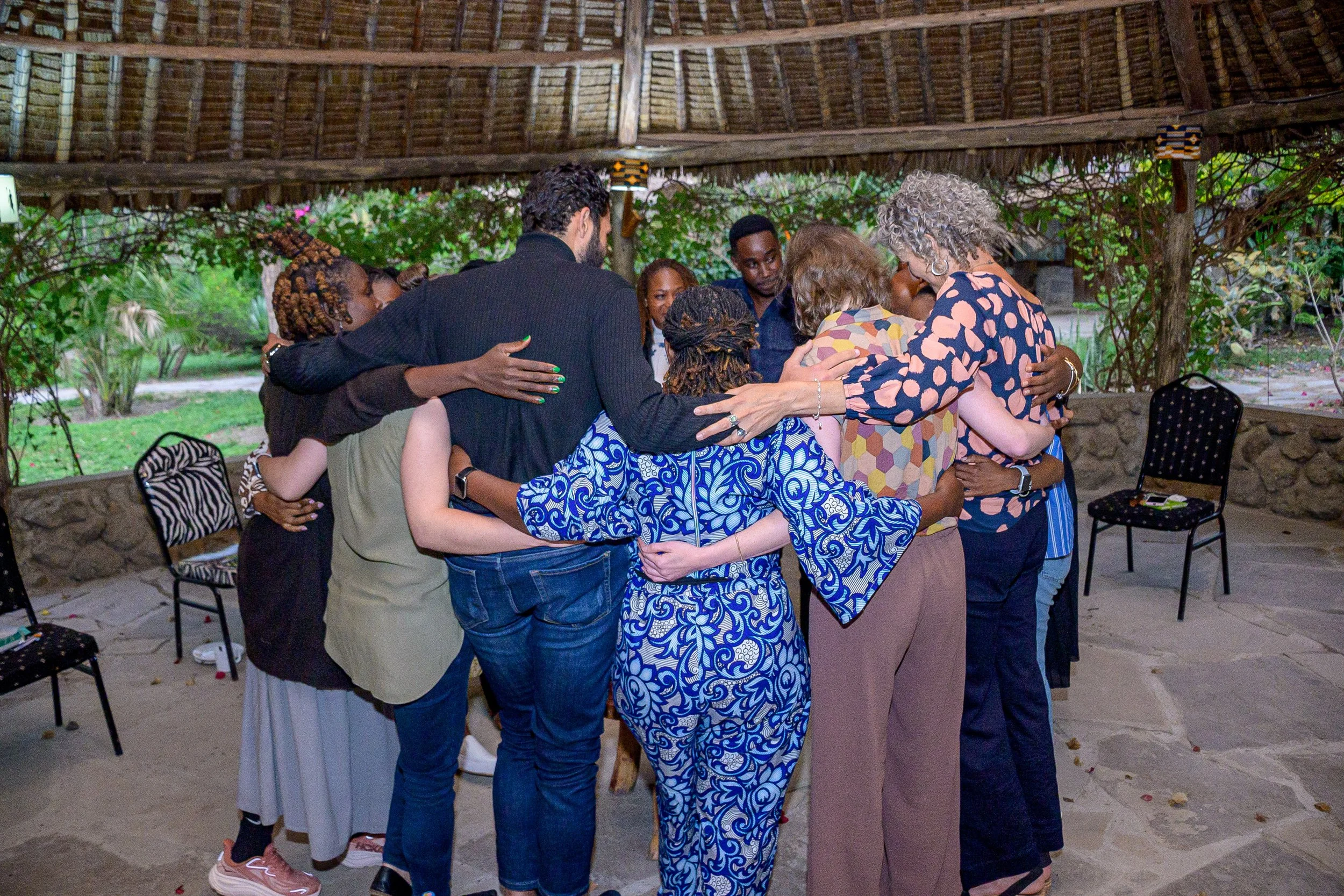
And slowly, the realm of what feels possible expands.
I see this in LIFT. In AFF. In youth movements. In community initiatives. Separate actions. Different corners of the system. Yet connected by relationship. That is where systemic change begins. If we only count visible outputs, we miss early signals of transformation. If we treat relationships as secondary, we underinvest in the very conditions that make change sustainable. We do not need to shrink network value to fit old frameworks. We need frameworks capable of holding relational impact.
It may take a village to raise a child. But, it takes a network to raise a movement.
And, if we fail to see the infrastructure beneath the visible work — the shared risk, accumulated trust, and quiet coordination — we will continue underestimating the very forces that make transformation possible.
Once you recognize relational infrastructure for what it is, you begin to see it everywhere.
And, you begin to design for it.

Ledama Masidza is a Kenyan conservation leader, network builder, and founder of Kind World Projects whose work sits at the intersection of community-led conservation, Indigenous food systems, and ecological restoration. Based in Kilifi County, he has helped advance grassroots food systems and conservation initiatives across Africa and globally through leadership roles with Moyo Moja Africa and the Local and Indigenous Food System Transformation (LIFT) Network, supporting solution labs in countries including Kenya, Nigeria, Brazil, Canada, and Fiji. A recognized global changemaker, Ledama has coordinated major international partnerships, appeared in outlets including CNN and BBC, and brings a unique blend of systems leadership, storytelling, and community-rooted action to his work.